

Your therapy dog has mastered basic obedience and earned their initial certification. Now you're ready to explore advanced therapy dog skills that transform routine visits into truly therapeutic experiences. These specialized abilities help therapy dogs navigate complex medical environments, bring joy to patients with limited mobility, and work effectively in challenging situations.
Advanced therapy dog skills go far beyond sit, stay, and come. They include precise positioning techniques, gentle interaction methods, and environmental awareness that makes the difference between a good visit and an extraordinary one that patients remember long after you leave.
Building on Your Foundation Skills
Before diving into advanced techniques, your therapy dog must demonstrate rock-solid foundational skills. These include perfect recall in distracting environments, impulse control around food and medical equipment, and calm behavior during sudden loud noises or equipment alarms.
Advanced therapy dog skills require dogs who can maintain focus while navigating wheelchairs, walkers, and IV stands. Your dog should already show comfort with being touched by strangers, including gentle handling of paws, ears, and face. This foundation becomes crucial when patients want to pet or interact with your dog in ways that might feel unusual.
The transition to advanced skills involves practicing in increasingly complex environments. Start by training in busy public spaces, then progress to medical facility training areas. Many therapy dog organizations offer specialized screening programs that evaluate readiness for advanced training modules.
Progressive training builds confidence in both handler and dog. Begin with short sessions focusing on one new skill at a time. Consistency in commands and rewards helps your dog understand the higher expectations of advanced therapy work.
Patient-Delight Tricks That Create Magic
The most effective advanced therapy dog skills are simple tricks that create profound emotional connections. The gentle paw shake remains the gold standard for patient interaction. Train your dog to offer their paw softly upon the command "say hello" rather than a forceful shake that might hurt fragile hands.
The "gentle take" command allows patients to offer treats or small items to your dog without fear of accidental nipping. Practice with tissues, cards, and lightweight objects. Your dog should take items delicately between their front teeth, never grabbing or snatching.

Lap visits require exceptional body awareness and control. Smaller therapy dogs can learn to carefully step onto patient laps when invited, positioning themselves without putting pressure on tender areas. This skill requires extensive practice with people of different sizes and mobility levels.
The "touch" command teaches your dog to gently nose-bump a patient's hand or arm. This provides tactile connection for patients who may have limited mobility or sensation. Train with varying pressure levels so your dog can adjust to each person's comfort.
"Chin rest" positioning allows your dog to rest their head on a patient's leg or bedside while maintaining a comfortable position. This creates intimacy without requiring the patient to actively pet or interact. Practice duration holds in this position while your dog remains relaxed and alert.
Teaching your dog to "find" specific people by name creates personalized connections. When a patient says "Where's Sarah?" your dog can look toward or gently move toward that person. This skill requires practice with different voices and consistent name usage.
Mastering Medical Equipment Navigation
Medical environments present unique challenges that require specialized advanced therapy dog skills. IV poles, oxygen tanks, and monitoring equipment create obstacle courses that dogs must navigate without disturbing critical medical devices.
IV pole navigation starts with teaching your dog to recognize and avoid trailing lines and cords. Use "watch the wires" as a command to make your dog more conscious of their movement around equipment. Practice in simulated environments with mock IV setups before entering real medical facilities.
Wheelchair positioning requires dogs to approach from specific angles without blocking the patient's mobility or interfering with wheel movement. Train approach commands like "side visit" and "front visit" that position your dog appropriately for wheelchair-bound patients.
Hospital bed interactions need careful height awareness. Teach your dog to position themselves where patients can easily reach them without straining. The "bedside" command should bring your dog close enough for interaction while avoiding medical equipment and call buttons.
Oxygen equipment awareness prevents dangerous situations where dogs might disconnect or interfere with breathing apparatus. Train specific "around" commands that route your dog safely past oxygen concentrators, CPAP machines, and nasal cannula tubing.
Specialized Techniques for Bedridden Patients
Bedridden patients require the most advanced and sensitive therapy dog skills. These interactions often provide the most meaningful connections for patients who have limited daily social contact.
"Bedside positioning" involves training your dog to stand or sit at optimal height next to hospital beds. This might mean rear paws on the floor with front paws elevated on a step stool or specialized platform that brings your dog to bed level safely.
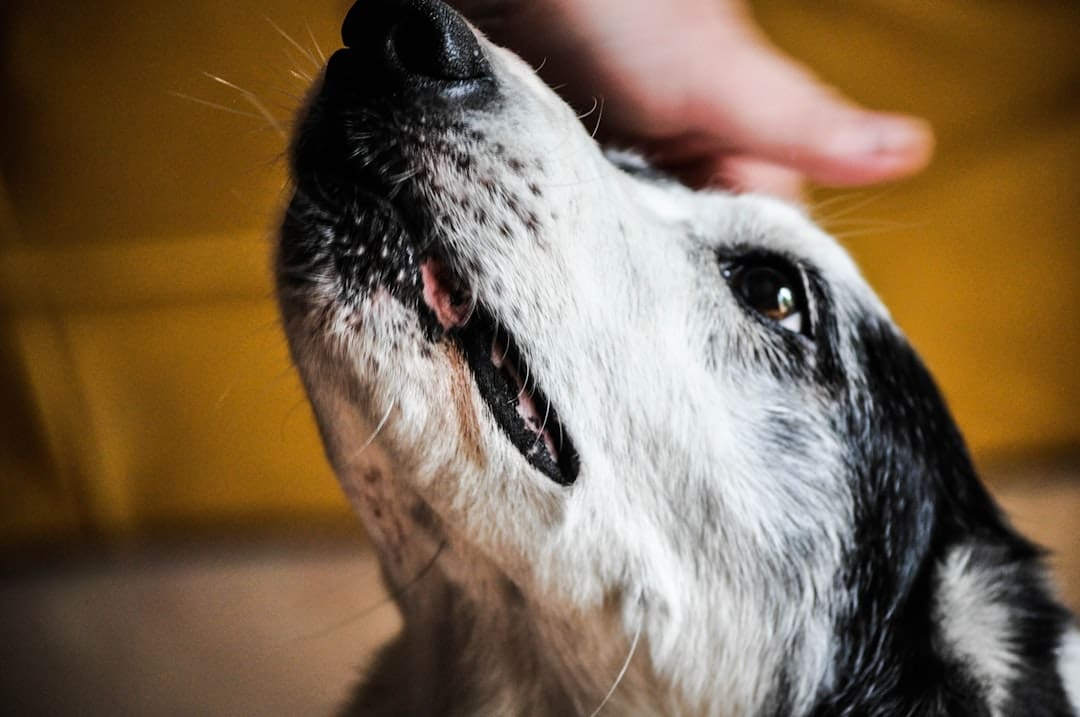
Gentle pressure therapy teaches dogs to provide calming weight on request. Some patients benefit from having a dog rest carefully across their legs or alongside their body. This requires extensive training to ensure your dog can provide pressure without causing discomfort or interfering with medical devices.
"Stay close" duration work builds your dog's ability to remain calmly positioned near bedridden patients for extended periods. Unlike active play or trick performance, these visits focus on peaceful companionship that doesn't require patient energy or participation.
Reach accommodation training helps dogs position themselves within easy reach of patients with limited mobility. Your dog learns to move closer when patients struggle to extend their arms, making petting and interaction accessible without patient strain.
Communication bridge skills help dogs serve as conversation starters between patients and family members or medical staff. A calm, friendly dog often helps break tension and provides neutral topics for difficult conversations.
Multi-Handler Team Visit Coordination
Team visits involving multiple handlers and dogs require coordination skills that benefit both dogs and patients. These advanced therapy dog skills prevent overcrowding while maximizing therapeutic impact.
Spacing awareness teaches dogs to maintain appropriate distances from other therapy animals during group visits. Use "give space" commands to prevent dogs from clustering around popular patients while ensuring everyone gets attention.
Handler communication involves training dogs to respond to multiple handlers when working in teams. This flexibility allows coverage when primary handlers need breaks or when specific dog-patient matches work better.
Queue management skills help dogs wait patiently while other teams interact with patients. Train "wait your turn" behaviors that keep dogs calm and engaged without demanding immediate attention.
Energy matching between team dogs prevents situations where high-energy dogs overwhelm calmer animals or sensitive patients. Practice group sessions where dogs learn to moderate their excitement levels based on the overall team dynamic.
Rotation protocols teach dogs to move efficiently between patients during group visits. Clear "move along" and "next patient" commands help teams provide broader coverage while maintaining quality interactions.
Advanced Safety Protocols and Risk Management
Advanced therapy dog work requires heightened safety awareness and emergency response capabilities. These skills protect patients, dogs, and handlers in complex medical environments.
Medical emergency protocols train dogs to immediately move away from patients during medical crises. The "clear" command should result in instant removal from the patient area without confusion or delay. Practice with simulated emergency scenarios including code blue situations.
Infection control behaviors become critical in medical settings. Dogs must understand "no lick" commands absolutely and avoid contact with medical waste, body fluids, or contaminated surfaces. Regular sanitization breaks for paws and coat may be necessary.
Patient distress recognition helps dogs identify when patients are experiencing pain, anxiety, or medical complications. Train dogs to seek handler guidance when they sense patient distress rather than attempting to comfort independently.
Equipment alarm response teaches dogs to remain calm during medical equipment alarms while immediately creating space for medical staff. Practice with various alarm sounds and emergency response scenarios.
Rapid evacuation skills prepare dogs for emergency situations requiring quick facility departure. Train clear exit routes and evacuation commands that work even in stressful, noisy emergency conditions.
Certification Pathways for Advanced Skills
Several organizations provide advanced certification for therapy dogs with specialized skills. These programs ensure teams meet higher standards for complex therapeutic environments.
Pet Partners Advanced Team Training offers specialized modules for medical facility work, including hospital visitation and skilled nursing facility protocols. Their certification process includes observed evaluations in actual healthcare settings.
Alliance of Therapy Dogs provides Advanced Certification levels that recognize teams with extensive experience and specialized training. These certifications often open access to intensive care units, pediatric wards, and psychiatric facilities.
Local healthcare systems sometimes offer facility-specific training programs that teach advanced therapy dog skills tailored to their unique patient populations and medical equipment. Specialized training programs help teams understand specific facility protocols and safety requirements.
The certification process typically involves written examinations on medical facility protocols, practical skill demonstrations, and supervised visits with evaluators. Some programs require ongoing continuing education to maintain advanced certification status.
Documentation requirements for advanced certification include detailed training logs, veterinary health certifications, and handler background checks. These requirements reflect the increased responsibility and access that comes with advanced therapy dog work.
Ongoing Skill Development and Assessment
Advanced therapy dog skills require continuous practice and refinement. Regular assessment helps maintain high standards and identifies areas needing additional training focus.
Monthly skill practice sessions help maintain proficiency in complex behaviors. Work with local therapy dog groups to create practice scenarios that simulate challenging patient interactions and medical environments.
Peer observation and feedback from experienced handlers provides valuable insights into team performance. Join volunteer handler networks where teams can observe and learn from each other's advanced techniques.
Patient and staff feedback helps identify which advanced skills create the most therapeutic value. Facility coordinators often provide insights into which teams and techniques work best for their specific patient populations.
Continuing education through workshops, seminars, and online training keeps teams current with evolving best practices in therapy dog work. The field continues advancing as research reveals new applications for therapy dog interventions.
Regular veterinary assessments ensure dogs remain physically capable of performing advanced therapy work. Some advanced skills place additional physical demands on dogs that require monitoring and adjustment over time.
Advanced therapy dog skills transform the therapeutic impact of facility visits, creating meaningful connections that support patient healing and emotional well-being. TheraPetic® Healthcare Provider Group continues supporting therapy dog teams through research and training resources that advance the field of animal-assisted therapy. These specialized skills require dedication and ongoing practice, but the rewards in patient smiles and improved outcomes make the investment worthwhile.
Ready to advance your therapy dog's skills? Explore our comprehensive training resources and connect with experienced handlers who can guide your team's development in advanced therapeutic techniques.
Written By
Ryan Gaughan, BA, CSDT #6202 — executive Director
TheraPetic®® healthcare Provider Group • About • LinkedIn • ryanjgaughan.com
Clinically Reviewed By
Dr. Patrick Fisher, PhD, NCC, BC-TMH, C-AAIS — founder & clinical Director • the Service Animal Expert™