
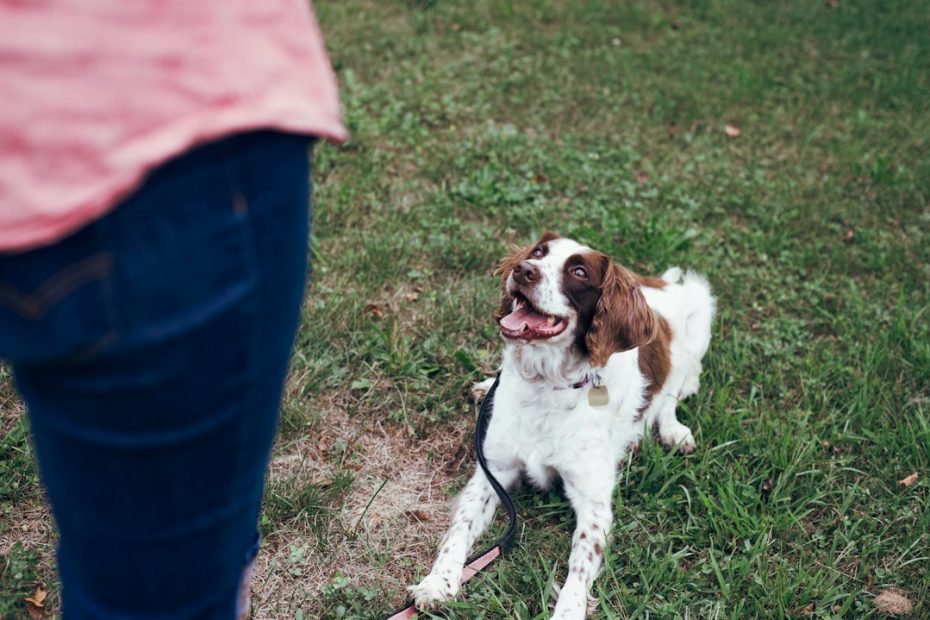
Noise Desensitization for Therapy Dogs: Building Calm in Loud Facility Environments
Noise desensitization prepares therapy dogs for alarms, carts, and crowds inside busy facilities. A progressive plan for handlers and coordinators.
Noise desensitization prepares therapy dogs for alarms, carts, and crowds inside busy facilities. A progressive plan for handlers and coordinators.
University therapy dog programs reduce student stress during finals and beyond. Learn how handlers and coordinators build effective campus de-stress visits.
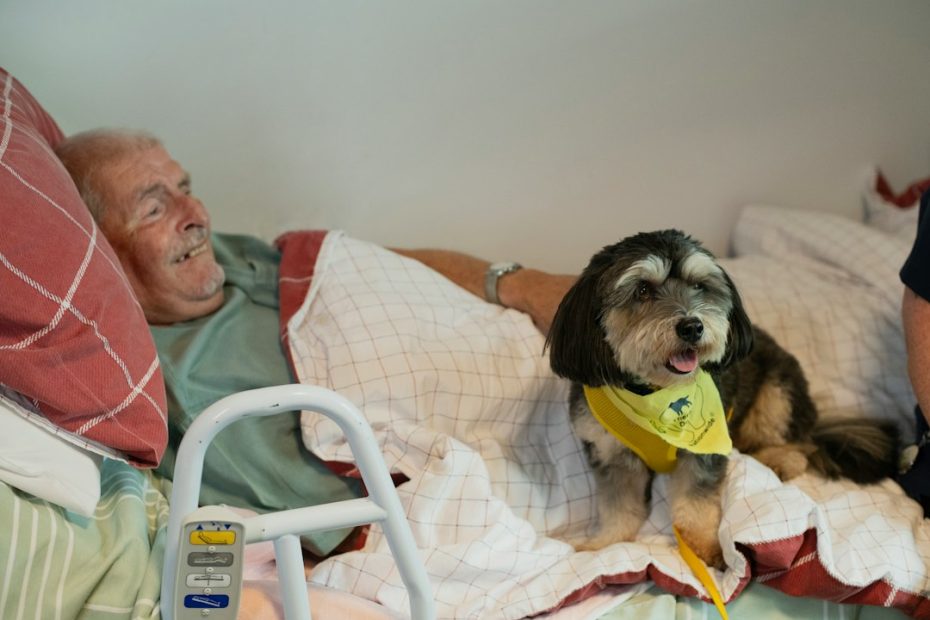
Library reading programs pair kids with therapy dogs for confidence and literacy gains. Learn how READ-style programs work and how to join one in 2026.

Handler grief after therapy dog retirement is real. Learn how to process the transition, mark the end with meaning, and honor a working partnership that mattered.
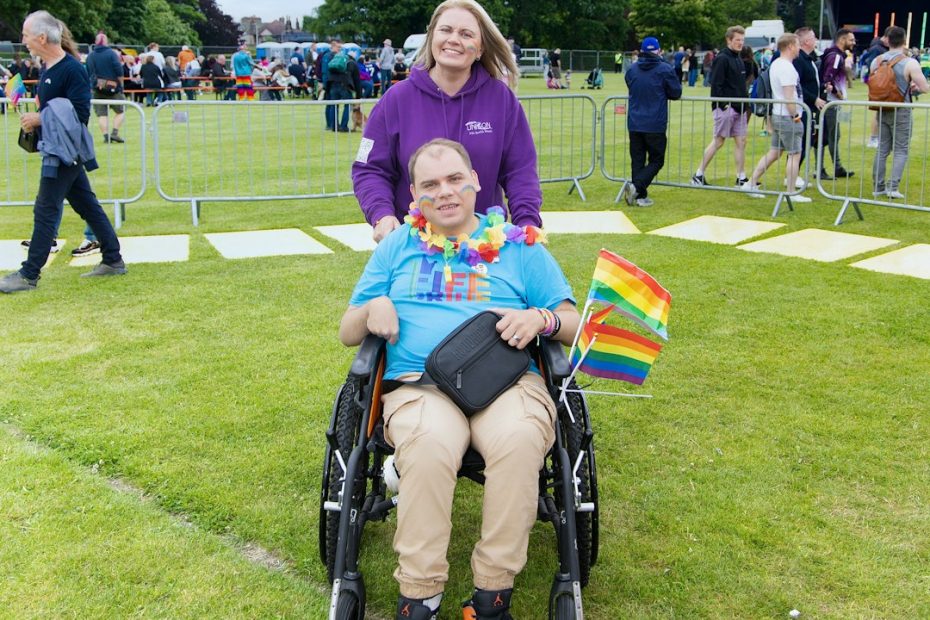
Discover how Alzheimer's therapy dog visits reduce agitation, trigger long-term memories and create connection when words no longer can.
Learn how crisis response therapy dog teams train, deploy, and protect handler wellbeing during disaster and trauma response work in 2026.

Therapy dog visit research shows real results. Learn what published studies reveal about blood pressure, pain reduction and anxiety scores.
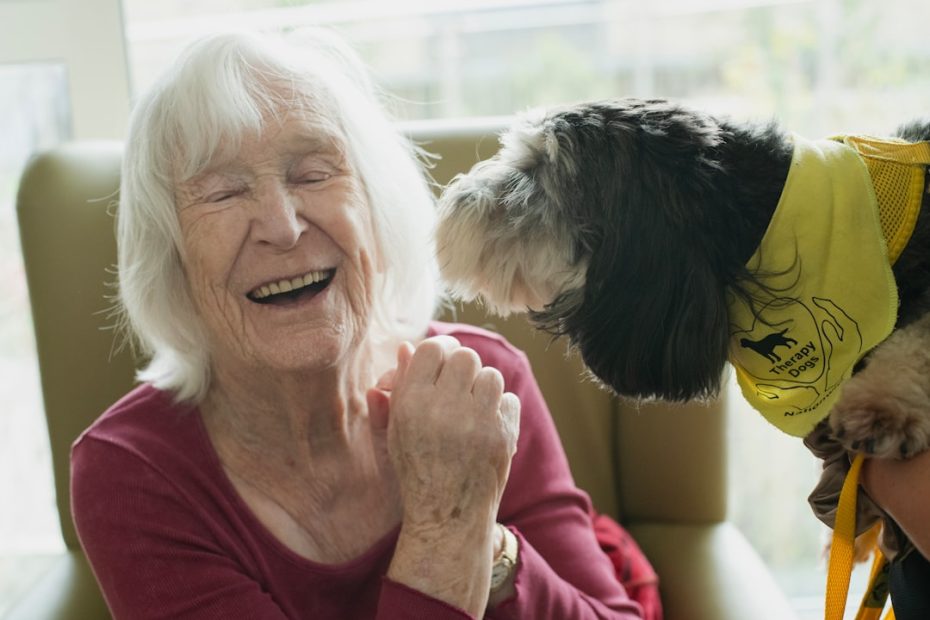
University stress relief with therapy dogs is one of the fastest-growing campus wellness programs. Here is how handlers and coordinators make it work.

Start your therapy dog volunteer career with confidence. Learn about evaluations, training, organization membership, insurance, and your first facility visit.
Reading to dogs programs need specific therapy dog skills. Learn stillness training, close-range tolerance, and child interaction for literacy sessions.