

Why Campuses Turn to Therapy Dogs
Finals week is one of the most stressful times of the year for college students. Deadlines pile up, sleep gets cut short, and anxiety spikes across entire campuses at once. University counseling centers feel the pressure too, often stretched beyond their capacity to meet the surge in demand.
That is exactly where therapy dog programs step in. A calm, well-trained dog sitting in a library lounge or student union offers something that no app or hotline can fully replicate. It offers a moment of genuine connection. Students stop, breathe, smile and feel a little less alone.
University therapy dog visits are now one of the most common and most requested forms of campus stress relief programming in the country. As a 501(c)(3) nonprofit healthcare provider, TheraPetic® Healthcare Provider Group has seen firsthand how these programs transform the energy of a campus space in under an hour.
How University Therapy Dog Programs Get Organized
Most campus therapy dog programs are coordinated through one of three departments: the student counseling center, the student activities office, or a campus wellness initiative. Some schools partner directly with recognized therapy animal organizations to ensure the dogs visiting campus have verified training and certification.
Coordination typically starts months before the event. A program coordinator at the university reaches out to a therapy dog organization, confirms insurance coverage, and arranges a visit schedule that lines up with high-stress dates on the academic calendar. Handlers are matched to available slots and briefed on campus-specific rules.
Campus visits often require handlers to complete a brief orientation. This might include a campus map walkthrough, check-in procedures, and guidelines on where the dog can and cannot go. Public-facing signage is usually handled by the university to let students know where to find the dogs and when.
Scheduling Around the Academic Calendar
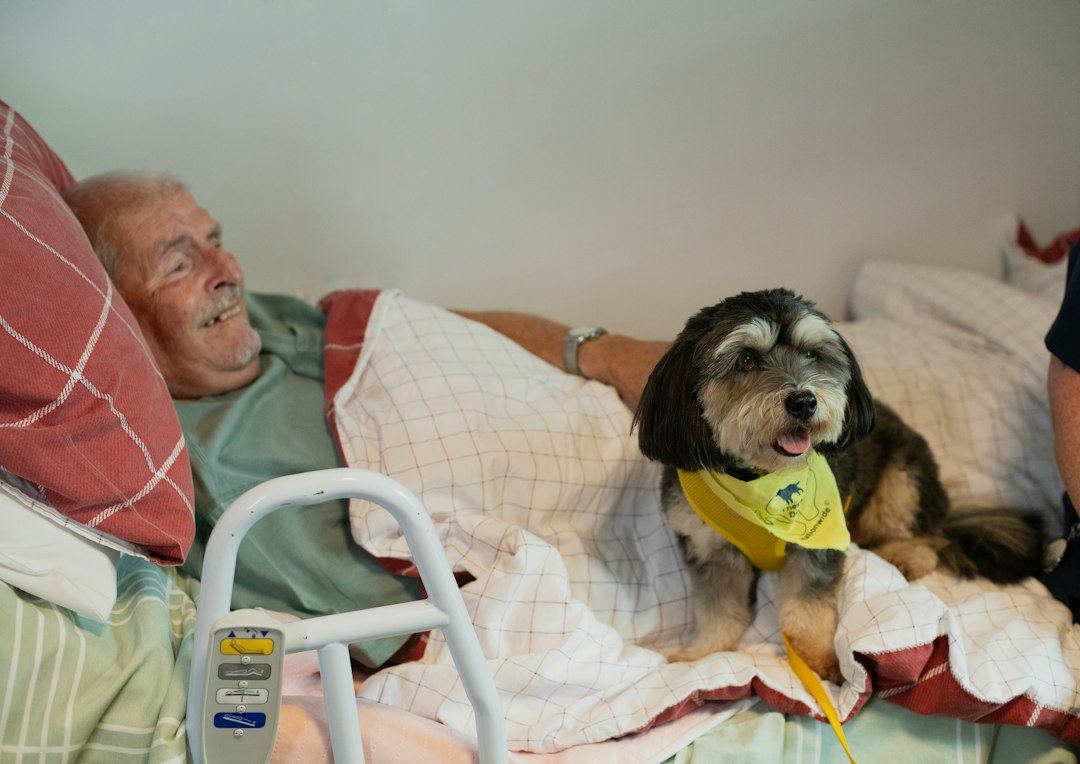
Timing matters enormously in campus therapy dog programming. The most effective programs are not built around a single event. They are planned across the full academic year with specific high-stress windows in mind.
The most requested dates tend to cluster around a few predictable moments. Midterm exam periods in October and March bring the first major wave of student stress. Finals weeks in December and May are the highest-demand windows by far. The start of each semester also creates anxiety for new students adjusting to campus life for the first time.
Coordinators who plan visits two to three months in advance have the best outcomes. This gives handlers time to clear their personal schedules, ensure their dog is current on all wellness requirements and allows the university to build proper marketing around each event.
One practical scheduling tip from experienced handlers is to avoid booking visits on the actual day of major exams. Students are either in testing rooms or too anxious to stop and engage. The day before exams is usually the sweet spot. Students are still accessible, stress is high, and they genuinely benefit from a calming break.
What Handlers Need to Know Before Visiting Campus
Volunteering on a college campus is different from visiting a hospital ward or an elementary school library. The environment is louder and less controlled. Students approach fast, sometimes in large groups, and enthusiasm can escalate quickly.
Handlers need to read their dog closely throughout every campus visit. A dog who is normally comfortable with fifteen visitors per hour may feel overwhelmed by forty enthusiastic college students in a narrow hallway. It is always the handler's job to advocate for their dog, even in a setting where everyone around them is clearly enjoying the interaction.
Before any campus visit, handlers should confirm the following with the coordinating staff. First, the specific location and square footage of the event space. Second, whether the visit is indoors or outdoors. Third, how many students are expected to attend. Fourth, whether the dog will have a designated rest area or quiet corner to decompress between interactions.
Dogs should arrive well-exercised but not exhausted. A tired dog who has not had a chance to settle before visitors arrive will not perform at their best. Building in fifteen minutes of quiet arrival time before the event opens makes a real difference in how smoothly the visit goes.
Outcomes for Student Mental Health
Research from university counseling programs consistently shows that brief animal-assisted interactions reduce self-reported stress and anxiety in students. The American Psychological Association has acknowledged animal-assisted interventions as a meaningful complement to traditional mental health support, noting improvements in mood and reductions in cortisol levels following short animal contact sessions.
The outcomes that student wellness coordinators report most often are not just about numbers. They describe watching a student who was visibly tearful become calm and engaged after five minutes with a therapy dog. They talk about students who visit every day of finals week and credit the visits as the reason they made it through. These are the moments that keep volunteer handlers coming back semester after semester.
Our clinical team at TheraPetic® Healthcare Provider Group, led by Dr. Patrick Fisher, PhD, LPC, NCC, has reviewed the available literature on animal-assisted stress reduction in academic settings. The pattern is consistent. Short, structured interactions with trained therapy dogs produce real, measurable improvements in student emotional regulation. The effect is brief but meaningful, which is exactly what a student needs in the middle of a high-stakes week.
It is also worth understanding what therapy dogs are not designed to do in this context. They are not a substitute for clinical mental health services. Universities should always pair therapy dog programming with clear communication about available counseling resources. The dogs open doors. The counseling centers walk through them.
Beyond Finals Week: Year-Round Opportunities
Finals week gets all the attention, but campus therapy dog programming has real value across the entire academic year. Move-in weekend in August or September is a high-anxiety moment for first-year students arriving far from home. A therapy dog visit in the residence hall common area during that first week can help a homesick student feel welcomed in a way that orientation brochures never will.
Mental health awareness weeks, which most universities now hold annually, are another strong opportunity. These events are specifically designed to reduce stigma around seeking help, and therapy dog visits fit naturally into that mission. Students who might never walk into a counseling office will happily sit on the floor with a golden retriever for ten minutes and leave feeling a little more open to the idea of asking for support.
Campus tragedy and community grief are also moments where trained therapy dog teams can provide meaningful relief. When a university community experiences loss, whether through a student death, a natural disaster or a community trauma, a compassionate therapy dog handler and their dog can offer comfort in a way that words often cannot. Disaster response therapy dog deployment is a specialized area of volunteer service, but the principles translate directly to on-campus crisis support.
How to Start or Join a Campus Therapy Dog Program
If you are a therapy dog handler who wants to bring your team to a local university, the best starting point is the student wellness or counseling center. Email them directly. Explain that you are a certified therapy dog team and that you are interested in supporting their stress relief programming. Most coordinators respond warmly because they are always looking for reliable, certified volunteers.
Bring documentation to your first conversation. This means your dog's current therapy animal certification, proof of liability insurance and any relevant health records the university might require. Some campuses have additional screening steps, including a meet-and-greet evaluation before approving a team for regular visits. Be patient with that process. It protects the students and it protects your dog.
If you are a program coordinator building a new campus initiative from scratch, start by connecting with established therapy dog organizations in your region. Partnering with a credentialed organization is far more effective than recruiting handlers individually. It gives you consistent standards, clear documentation, and a pool of trained volunteers who already understand the expectations of facility visits. You can learn more about how therapy dog team training works and what credentials to look for when vetting potential program partners.
TheraPetic® Healthcare Provider Group exists because we believe that every person going through a hard moment deserves access to compassionate, evidence-informed support. Therapy dog volunteers are a core part of making that possible on campuses across the country, one quiet corner of a busy library at a time.
If you are ready to bring your therapy dog team to a university near you, or if you are looking to get your dog evaluated and certified for facility visits, reach out to us at go.mypsd.org or call us at (800) 851-4390. We are here to help your team make a real difference.
External resource: The U.S. Surgeon General's office has published guidance on the college student mental health crisis that underscores why programs like these matter now more than ever.
Written By
Ryan Gaughan, BA, CSDT #6202 , Executive Director
TheraPetic® Healthcare Provider Group • About • LinkedIn • ryanjgaughan.com
Clinically Reviewed By
Dr. Patrick Fisher, PhD, NCC , Founder & Clinical Director • The Service Animal Expert™
Editorial Review
This article was reviewed by Dr. Patrick Fisher, PhD, NCC on October 11, 2026 for accuracy, currency, and clarity. Content is updated when laws or guidance change.