

Children's hospitals across the United States are discovering that therapy dogs in children's hospitals represent one of the most powerful non-medical interventions for pediatric healing. These specially trained canine companions reduce anxiety, lower blood pressure, and accelerate recovery times for young patients facing some of life's greatest challenges.
Unlike traditional therapy approaches, therapy dogs provide immediate emotional relief without the side effects of medication. For children who may spend weeks or months in hospital settings, these four-legged healers offer consistent comfort and joy during the most difficult periods of their lives.
Specialized Pediatric Therapy Dog Programs
Pediatric therapy dog programs require specialized approaches that differ significantly from adult hospital programs. Children's hospitals must consider developmental stages, communication abilities, and unique medical needs when designing animal-assisted therapy protocols.
Most successful programs begin with children ages 3 and older, as younger patients may not understand appropriate interaction boundaries. Program coordinators work closely with child life specialists to identify patients who would benefit most from therapy dog visits. This includes children undergoing long-term treatment, those experiencing high anxiety levels, and patients struggling with medical procedures.
The screening process involves collaboration between medical teams, child psychologists, and certified therapy dog evaluators who understand pediatric environments. Dogs selected for children's hospitals undergo additional temperament testing specifically designed to assess their reactions to sudden movements, loud sounds, and medical equipment that might startle or confuse animals not prepared for hospital settings.

Successful pediatric programs typically operate 2-3 days per week, with visits lasting 15-30 minutes per patient interaction. Teams rotate through different hospital units based on medical clearances and patient census, ensuring consistent coverage while preventing therapy dog fatigue.
Critical Infection Control Protocols
Infection control represents the most critical aspect of therapy dogs in children's hospitals, particularly for immunocompromised patients receiving chemotherapy or recovering from organ transplants. Hospital infection control committees establish strict protocols that therapy dog teams must follow without exception.
All therapy dogs undergo comprehensive health screening every 6 months, including complete blood work, fecal examinations, and vaccination updates. Dogs must receive flea and tick prevention treatments and show no signs of illness or injury before each hospital visit. Handlers maintain detailed health logs documenting any changes in their dog's condition between visits.
Before entering patient care areas, therapy dogs receive thorough cleaning with hospital-approved antimicrobial wipes. Handlers carry sanitizing supplies and clean their dogs' paws, fur, and any surfaces the animal may contact during visits. Some hospitals require therapy dogs to wear special hospital booties or coverings to prevent contamination.
Certain hospital units remain off-limits to therapy dogs, including intensive care units, operating rooms, and isolation wards housing patients with compromised immune systems. The Centers for Disease Control and Prevention provides specific guidance on animal-assisted activities in healthcare settings, which hospitals must incorporate into their infection control policies.
Child-Specific Interaction Techniques
Successful therapy dog interactions with children require specialized techniques that account for developmental stages, medical conditions, and individual personalities. Professional handlers receive extensive training in child psychology and age-appropriate communication strategies before working in pediatric settings.
For preschool-aged children (3-5 years), interactions focus on simple commands like "sit" and "shake" that give children a sense of control. Handlers use calm, soothing voices and allow children to pet dogs at their own pace. Many young patients respond well to watching therapy dogs perform basic tricks or simply lying quietly beside their beds.
School-age children (6-12 years) often benefit from more interactive activities. Therapy dogs can participate in reading programs where children practice reading aloud to non-judgmental canine listeners. Some hospitals incorporate educational components, teaching children about responsible pet ownership or animal behavior while they interact with therapy teams.
Teenagers present unique challenges, as many feel too old for "childish" activities but still crave emotional comfort. Successful teenage interactions often involve conversation about the therapy dog's training or the handler's experiences, giving adolescents opportunities to ask questions and share their own stories.
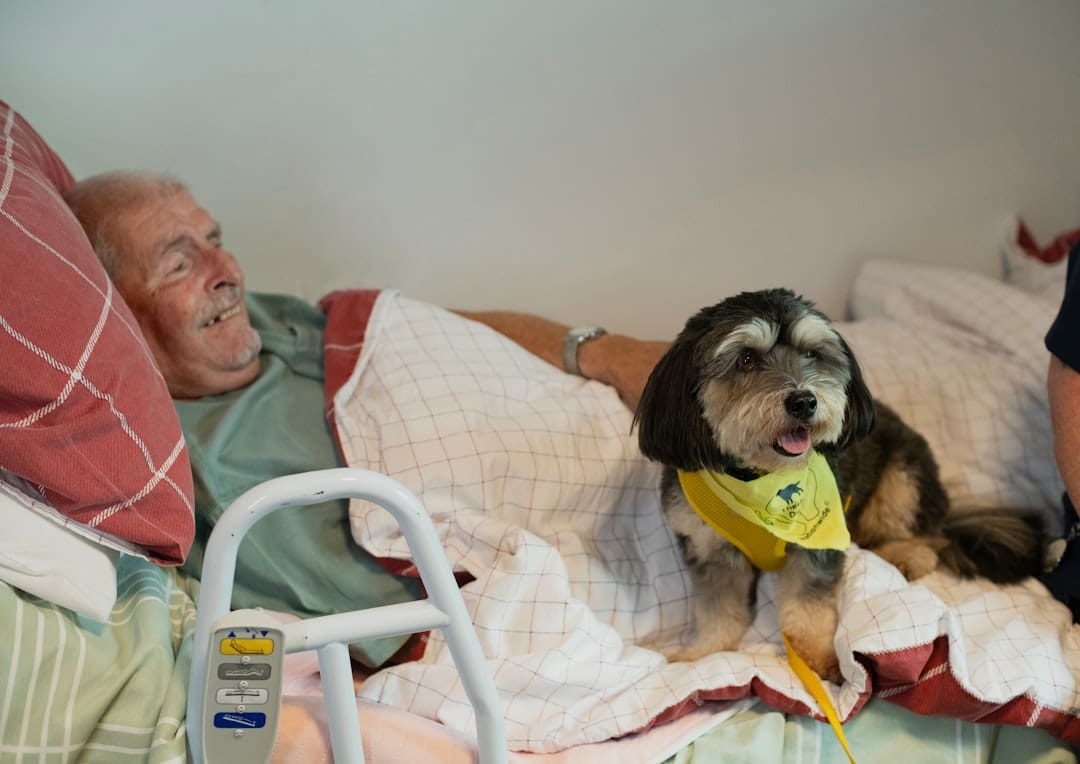
All interactions occur under direct medical supervision, with nurses or child life specialists present to monitor patient responses and ensure safety. Handlers learn to recognize signs of patient fatigue, overstimulation, or medical distress that might require immediate intervention.
Measurable Healing Outcomes
Research consistently demonstrates that therapy dogs in children's hospitals produce measurable improvements in patient outcomes across multiple domains. Physiological benefits include reduced blood pressure, decreased heart rate, and lower cortisol levels following therapy dog visits.
Pain management represents one of the most significant measurable outcomes. Children who interact with therapy dogs often report lower pain scores on standardized pediatric pain scales. This reduction allows for decreased pain medication usage and improved sleep quality during hospitalization.
Psychological benefits include reduced anxiety levels measured through standardized assessment tools like the State-Trait Anxiety Inventory for Children. Many children show improved cooperation with medical procedures following therapy dog visits, leading to more efficient treatments and reduced need for sedation during routine procedures.
Length of stay measurements indicate that children who participate in therapy dog programs may experience shorter hospitalizations compared to similar patients who do not receive animal-assisted therapy. While multiple factors influence discharge timing, the consistent emotional support provided by therapy dogs contributes to faster psychological recovery.
Communication improvements are particularly notable in children with developmental delays or autism spectrum disorders. Many non-verbal children demonstrate increased vocalization and social interaction when therapy dogs are present, providing valuable opportunities for speech therapists and developmental specialists to assess and encourage progress.
Parent Consent and Family Involvement
Parent consent forms the foundation of all pediatric therapy dog programs, requiring comprehensive information about program goals, safety protocols, and potential risks. Hospitals must obtain written consent from parents or legal guardians before any child can participate in animal-assisted therapy activities.
Consent documents explain infection control measures, therapy dog health requirements, and supervision protocols in language parents can easily understand. Parents receive information about their child's right to discontinue participation at any time without affecting their medical care.
Many successful programs encourage family involvement by inviting parents and siblings to participate in therapy dog visits. This approach helps normalize the hospital environment and provides opportunities for family bonding during stressful periods. Parents often report feeling more hopeful and positive about their child's treatment when therapy dogs are involved in the care plan.
Some hospitals extend therapy dog programs to include family waiting areas, recognizing that parents and siblings also experience significant stress during pediatric hospitalizations. Volunteer therapy dog teams provide comfort and distraction for families spending long hours in hospital settings.
Documentation of parent feedback helps program coordinators continuously improve services and address concerns that arise during program implementation. Regular family satisfaction surveys provide valuable data for program evaluation and funding justification.
Training Requirements for Hospital Teams
Therapy dog teams working in children's hospitals undergo extensive specialized training beyond basic therapy dog certification. This training addresses pediatric-specific challenges, medical equipment familiarity, and emergency response protocols unique to hospital environments.
Handlers complete courses in child development, recognizing signs of medical distress, and appropriate interaction boundaries with pediatric patients. Training includes hands-on practice with medical equipment such as IV poles, oxygen tanks, and wheelchairs to ensure therapy dogs remain calm around hospital machinery.
Emergency response training prepares teams for medical emergencies that may occur during visits. Handlers learn to quickly remove their dogs from patient rooms when medical teams need immediate access, and they understand their role in supporting rather than interfering with medical care.
Continuing education requirements ensure therapy dog teams maintain current knowledge of infection control updates, new safety protocols, and emerging research in pediatric animal-assisted therapy. Most hospitals require annual training updates and periodic skill assessments to maintain program participation credentials.
As a 501(c)(3) nonprofit healthcare provider, TheraPetic® supports therapy dog programs through educational resources and training materials that help volunteers understand the unique requirements of pediatric hospital environments.
Starting a Hospital Program
Implementing a therapy dog program in children's hospitals requires careful planning, stakeholder buy-in, and systematic protocol development. The process typically begins with forming a multidisciplinary committee including medical staff, infection control specialists, child life specialists, and hospital administrators.
Initial steps involve conducting literature reviews of evidence-based practices, visiting existing programs at other facilities, and developing comprehensive policies and procedures. Hospitals must address liability insurance, volunteer screening processes, and integration with existing patient care protocols.
Pilot programs allow hospitals to test protocols on a small scale before full implementation. These limited trials help identify potential challenges, refine safety procedures, and demonstrate program value to hospital administrators and medical staff who may initially express concerns about animals in healthcare settings.
Budget considerations include program coordination costs, insurance coverage, cleaning supplies, and ongoing training expenses. Many hospitals partner with local therapy dog organizations to share costs and access experienced volunteers rather than developing entirely independent programs.
According to the Centers for Disease Control and Prevention guidelines, healthcare facilities must establish clear policies for animal-assisted activities that address infection prevention and environmental controls specific to their patient populations.
The Future of Pediatric Animal-Assisted Therapy
The future of therapy dogs in children's hospitals points toward increased integration with digital health technologies, personalized therapy protocols, and expanded research into specific therapeutic mechanisms. Emerging technologies allow for real-time monitoring of patient physiological responses during therapy dog visits, providing unprecedented data about therapeutic effectiveness.
Telemedicine applications are being developed to connect therapy dogs with pediatric patients through virtual visits, particularly valuable for immunocompromised children who cannot safely interact with animals in person. These virtual programs maintain emotional benefits while eliminating infection risks for the most vulnerable patients.
Research initiatives are exploring breed-specific therapeutic effects, optimal visit frequency, and duration parameters that maximize healing outcomes. Future programs may customize therapy dog selections based on individual patient personalities, medical conditions, and cultural backgrounds.
Professional recognition of animal-assisted therapy continues to grow, with increasing numbers of hospitals incorporating therapy dog programs into standard care protocols rather than treating them as supplementary services. This shift toward mainstream acceptance ensures sustainable funding and broader program availability for pediatric patients nationwide.
The evidence supporting therapy dogs in children's hospitals continues to strengthen, promising expanded opportunities for healing partnerships between children and their four-legged therapists. For families navigating the challenges of pediatric hospitalization, these programs offer hope, comfort, and measurable improvements in the healing journey.
If you're interested in learning more about therapy dog programs or exploring how animal-assisted therapy might benefit your healthcare facility, visit our contact page to connect with our Licensed Clinical Doctors who specialize in therapeutic animal partnerships.
Written By
Ryan Gaughan, BA, CSDT #6202 — executive Director
TheraPetic®® healthcare Provider Group • About • LinkedIn • ryanjgaughan.com
Clinically Reviewed By
Dr. Patrick Fisher, PhD, NCC, BC-TMH, C-AAIS — founder & clinical Director • the Service Animal Expert™