

Air travel has become more stressful than ever. Long security lines, flight delays, and crowded terminals create anxiety for millions of passengers. Airport therapy dog programs offer a simple yet powerful solution. These specially trained teams provide comfort and stress relief to travelers nationwide.
From LAX's beloved PUP program to SFO's famous Wag Brigade, airports across America are discovering the healing power of therapy dogs. These programs reduce travel anxiety while creating moments of joy in otherwise stressful environments.
What Are Airport Therapy Dog Programs?
Airport therapy dog programs deploy certified therapy dog teams throughout airport terminals. These teams consist of trained dogs and their volunteer handlers who interact with passengers before flights.
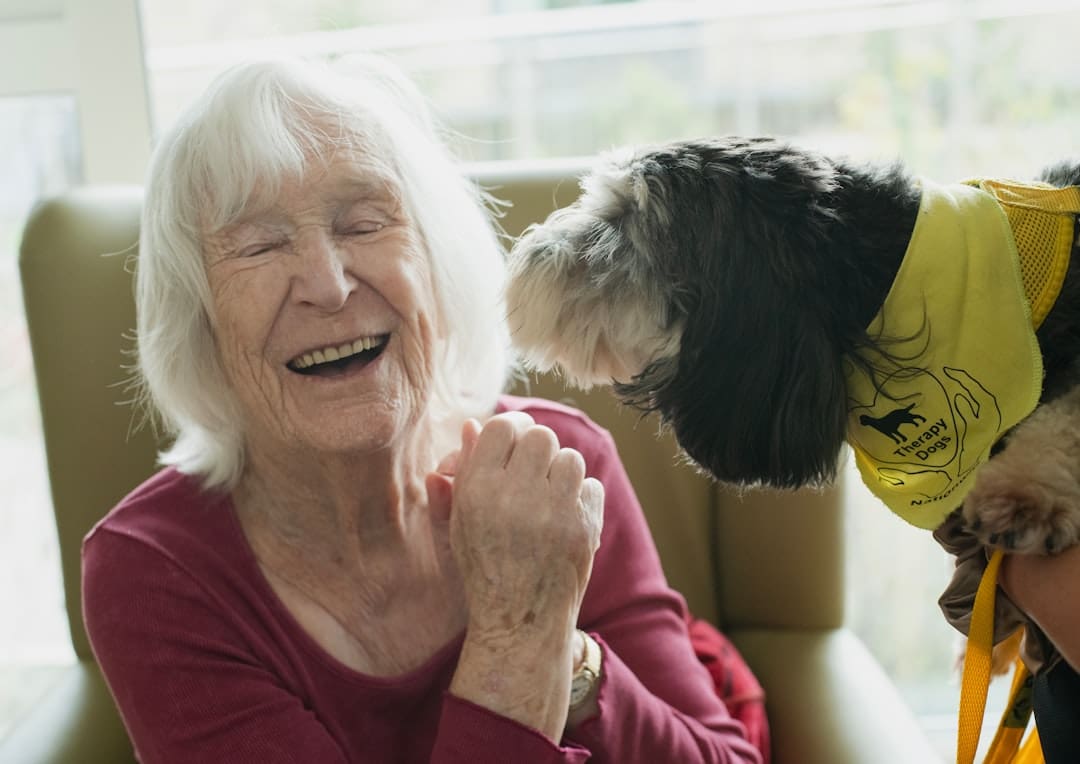
The dogs wear special vests identifying them as therapy animals. Passengers can approach freely for petting, photos, and brief conversations with handlers. The interactions are completely voluntary and designed to reduce stress naturally.
Unlike service dogs that assist specific individuals with disabilities, therapy dogs provide emotional support to anyone who needs it. They work in public spaces where travelers gather, including gate areas, baggage claim, and security checkpoints.
These programs operate under strict guidelines. Dogs must pass temperament evaluations and complete specialized training. Handlers undergo background checks and learn proper interaction techniques with diverse populations.
Major Airport Programs Leading the Way
Several airports have established flagship therapy dog programs that serve as models for others nationwide.
LAX PUP (Pets Unstressing Passengers)
Los Angeles International Airport launched PUP in 2013. The program features over 100 certified therapy dog teams working year-round. Dogs rotate through all nine terminals, focusing on high-traffic areas during peak travel times.
LAX partners with local therapy dog organizations to recruit and train volunteers. The program has logged thousands of hours providing comfort to international and domestic travelers.
SFO Wag Brigade
San Francisco International Airport's Wag Brigade began in 2013 and has become one of the most recognized programs. The team includes dogs, a pig, and even a rabbit, all certified through rigorous testing.
Wag Brigade animals wear distinctive blue vests and work throughout SFO's terminals. The program maintains an active social media presence, sharing photos and stories that highlight positive traveler interactions.
Other Notable Programs
Denver International Airport operates the "Canine Airport Therapy Squad" with teams stationed at gates and baggage areas. Miami International Airport runs "Paws and Relax," focusing on connecting flights and international arrivals.
Smaller airports are joining the movement. Portland International, Cincinnati/Northern Kentucky, and Boston Logan have all launched successful programs adapted to their specific passenger needs.
How Airports Organize Therapy Dog Teams
Successful airport therapy dog programs require careful organization and consistent standards.
Team Recruitment
Airports partner with established therapy dog organizations like Pet Partners, Therapy Dogs International, or local groups. These organizations provide pre-screened, certified teams that meet national standards.
Recruitment focuses on dogs with calm temperaments who enjoy interacting with strangers. Breeds vary widely, from Golden Retrievers and Labrador Retrievers to smaller breeds like Cavalier King Charles Spaniels.
Handlers must demonstrate strong communication skills and comfort working with diverse populations. Many are retired professionals, teachers, or healthcare workers who enjoy volunteering.
Training Requirements
Airport-specific training covers unique challenges of the environment. Dogs learn to remain calm around loud announcements, rolling luggage, and crowds of people.
Training includes exposure to airport sounds, surfaces, and equipment. Dogs practice maintaining focus despite distractions like food smells from restaurants or announcements over loudspeakers.
Handlers receive orientation on airport policies, security procedures, and cultural sensitivity. They learn to recognize signs of passenger distress and appropriate intervention techniques.
Certification Process
Teams must pass comprehensive evaluations before working in airports. Testing covers basic obedience, public access skills, and specific airport scenarios.
Dogs demonstrate their ability to ignore food, tolerate handling by strangers, and remain calm during unexpected situations. They must show consistent, predictable behavior across multiple test sessions.
Ongoing certification requires annual retesting and continuing education for handlers. Programs maintain detailed records of team performance and passenger interactions.
Handler Scheduling and Coordination
Effective scheduling ensures consistent coverage while managing volunteer availability.
Shift Management
Most programs operate during peak travel hours, typically morning departures and evening arrivals. Shifts range from two to four hours, preventing fatigue in both dogs and handlers.
Coordinators track passenger volume data to deploy teams when they're needed most. Holiday periods, summer travel season, and weather-related delays trigger enhanced coverage.
Teams rotate between different terminal areas to maximize passenger exposure. Popular locations include security checkpoint exits, gate seating areas, and baggage claim carousels.
Communication Systems
Programs use online scheduling platforms where volunteers sign up for available shifts. Coordinators send regular updates about schedule changes, special events, or new procedures.
Real-time communication helps teams respond to developing situations. If flights are delayed or terminals become crowded, coordinators can deploy additional teams quickly.
Many programs maintain group messaging for handlers to share experiences and support each other. This builds community among volunteers and improves program retention.
Measuring Traveler Impact and Benefits
Airports track program effectiveness through various metrics and passenger feedback.
Documented Benefits
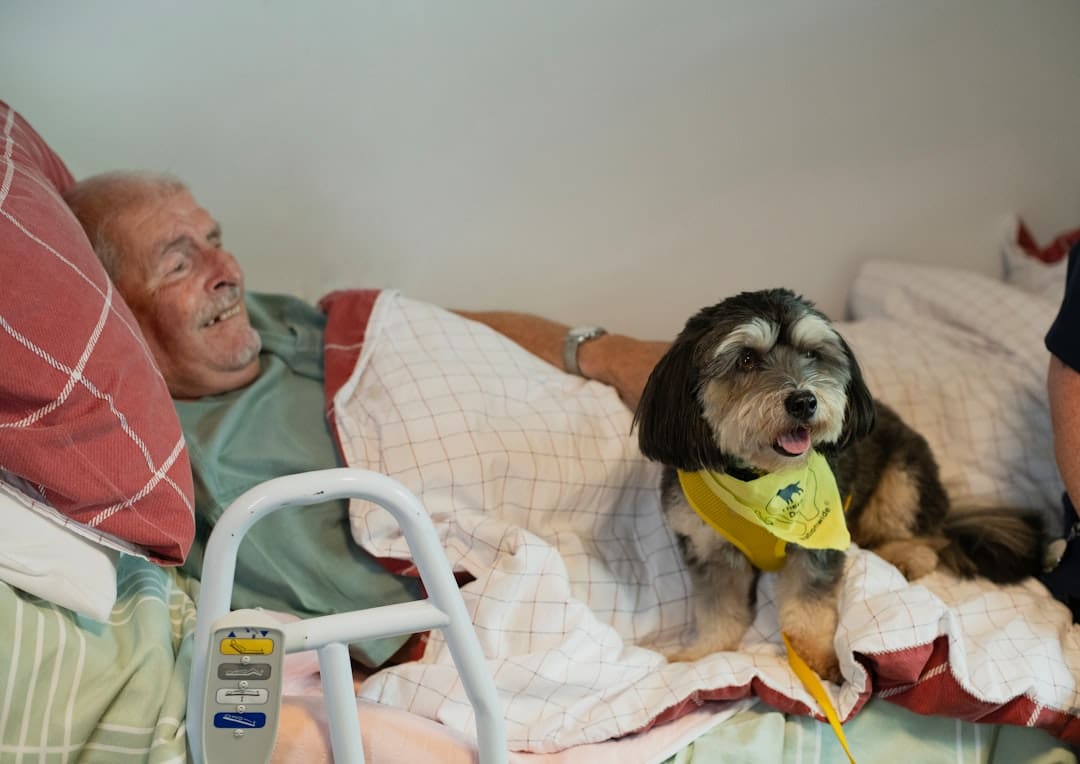
Research shows that petting animals releases oxytocin and reduces cortisol levels, creating measurable stress reduction. Airport programs provide these benefits in environments where stress levels typically run high.
Passenger surveys consistently report positive experiences with therapy dog interactions. Many describe feeling calmer, happier, and more optimistic about their travel experience.
Programs particularly benefit travelers with flight anxiety, families with children, and passengers experiencing delays or cancellations. The dogs provide distraction and comfort during difficult moments.
Program Metrics
Airports collect data on team hours worked, passengers contacted, and geographical coverage within terminals. This information helps optimize scheduling and team placement.
Social media engagement provides another measure of program impact. Photos and videos of therapy dog interactions generate significant positive response and media attention.
Some programs conduct formal surveys to gather passenger feedback. Results guide program improvements and demonstrate value to airport management and funding sources.
Special Populations
Therapy dogs provide particular benefits for travelers with disabilities, military personnel, and unaccompanied minors. Programs train handlers to recognize and appropriately assist these passenger groups.
Veterans often connect strongly with therapy dogs, especially those trained to recognize signs of post-traumatic stress. These interactions can be deeply meaningful for service members traveling to or from deployments.
Program Expansion Across the Nation
Airport therapy dog programs continue growing as more facilities recognize their benefits.
Implementation Challenges
New programs face hurdles including funding, volunteer recruitment, and coordination with airport security. Successful launches require support from airport management and clear policies for animal access.
Insurance considerations and liability concerns must be addressed before programs begin. Most airports require comprehensive coverage through therapy dog organizations or their own policies.
Staff training helps airport employees understand program goals and proper interactions with therapy teams. This prevents conflicts and ensures smooth operations.
Adaptation Strategies
Smaller airports often start with limited hours or specific terminal areas before expanding. This allows programs to prove their value while building volunteer capacity gradually.
Rural airports may partner with regional therapy dog groups or neighboring programs to share resources and expertise. Creative scheduling can provide coverage even with limited volunteer pools.
International considerations include customs regulations, quarantine requirements, and cultural attitudes toward animals in public spaces. Programs adapt their approaches based on passenger demographics and cultural norms.
Getting Involved as a Handler
Volunteering as an airport therapy dog handler offers unique rewards and meaningful service opportunities.
Requirements for Participation
Potential handlers need dogs that are at least one year old with basic obedience training. The dog's temperament matters more than breed, though certain characteristics like calmness and friendliness are essential.
Handlers typically commit to monthly shifts for at least one year. This consistency helps build relationships with airport staff and provides reliable coverage for travelers.
Background checks and airport security clearances are standard requirements. The process can take several weeks but ensures program safety and credibility.
Training Process
Most airports require teams to complete therapy dog certification through recognized organizations before beginning airport-specific training. This ensures baseline competency and insurance coverage.
Our evaluation process helps identify dogs with the right temperament for therapy work, including the specific demands of airport environments.
Airport training covers security procedures, passenger interaction guidelines, and emergency protocols. Teams learn to work effectively in the unique airport environment while maintaining safety standards.
Ongoing Support
Established programs provide mentorship from experienced handlers during initial shifts. This guidance helps new teams develop confidence and effective techniques.
Regular meetings and training updates keep handlers informed about program changes and best practices. These gatherings also provide social support and community among volunteers.
Recognition programs celebrate volunteer contributions and milestone achievements. Many airports feature handler spotlights in newsletters or social media posts.
Future of Airport Therapy Dog Programs
Airport therapy dog programs are expanding rapidly as their benefits become widely recognized.
Technology Integration
Some programs are exploring apps that help travelers locate therapy dogs in real-time. These tools could improve program accessibility and utilization rates.
Digital check-in systems for handlers streamline scheduling and provide better data collection. This technology helps coordinators optimize team deployment and measure program impact.
Social media integration allows programs to share positive stories and attract new volunteers while educating the public about therapy dog benefits.
Program Innovation
Airports are experimenting with specialized programs for specific passenger needs. Some focus on children's areas, while others target business travelers or international arrivals.
Partnerships with airlines could extend therapy dog interactions to gate areas during boarding or deplaning. This would provide additional comfort during high-stress travel moments.
Training innovations include virtual reality exposure to help dogs acclimate to airport environments before beginning work. This technology could improve preparation efficiency and team readiness.
National Standardization
Industry groups are working toward standardized training and certification requirements for airport therapy dog programs. This would ensure consistent quality while simplifying implementation for new airports.
Federal guidelines could provide framework for programs while allowing flexibility for local adaptation. Such standards would help programs maintain quality while expanding access nationwide.
As a 501(c)(3) nonprofit organization, TheraPetic® Healthcare Provider Group supports the expansion of therapy animal programs that provide genuine therapeutic benefit to those in need. Our comprehensive training programs help prepare teams for various facility environments, including the unique challenges of airport settings.
Airport therapy dog programs represent a powerful intersection of animal therapy and public service. These initiatives demonstrate how simple interventions can significantly improve the human experience in stressful environments. As more airports recognize the benefits, travelers nationwide will have increased access to these calming, joyful interactions.
Ready to explore therapy dog opportunities? Schedule a consultation to learn about training programs and certification pathways that could help you and your dog make a difference in your community.
Written By
Ryan Gaughan, BA, CSDT #6202 — Executive Director
TheraPetic®® Healthcare Provider Group • About • LinkedIn • ryanjgaughan.com
Clinically Reviewed By
Dr. Patrick Fisher, PhD, NCC, BC-TMH, C-AAIS — Founder & Clinical Director • The Service Animal Expert™
Editorial Review
This article was reviewed by Dr. Patrick Fisher, PhD, NCC, BC-TMH, C-AAIS on April 26, 2026 for accuracy, currency, and clarity. Content is updated when laws or guidance change.