

What Desensitization Training Actually Means
Desensitization training is not about making your dog ignore everything. It is about helping your dog feel calm and safe in situations that might otherwise feel startling or overwhelming. The goal is a dog who notices something unusual and simply moves on.
For therapy dog teams, this work is the foundation of every successful visit. A dog who flinches at a beeping monitor or stiffens when a child runs past is not a dog who can focus on the person who needs them most. Desensitization training closes that gap.
At TheraPetic®, our clinical team has worked alongside volunteer handlers for years, and the teams that thrive in hospitals and schools are the ones who put in this work long before their first visit.
Why These Environments Demand Special Preparation
Hospitals and schools are two of the most demanding environments a therapy dog will ever enter. Both are filled with sounds, smells, movements, and people that dogs do not encounter in everyday life. Without preparation, even a naturally calm dog can become anxious.
Hospitals bring ventilators, IV pumps, PA announcements, the squeak of wheelchair wheels, and the smell of antiseptic. Staff move quickly. Patients may be in distress. The energy is heavy and unpredictable.
Schools bring a completely different kind of chaos. Children shout, run, drop things, and approach dogs with sudden enthusiasm. A child in a reading program might reach out fast or cry unexpectedly. A hallway between classes can feel like a thunderstorm of noise and movement.
Your dog needs to be ready for both. That readiness does not happen by accident.
Training for Medical Equipment and Hospital Sounds
Sound desensitization for hospital visits starts at home, not in the hospital. The idea is to expose your dog to recordings of medical equipment sounds at a very low volume, pair those sounds with something your dog loves, and gradually increase exposure over time.
Start with a recording of an IV pump alarm or a hospital PA system. Play it at a volume so low your dog barely notices. Give a treat. Play it again. Give a treat. Keep sessions short. Three to five minutes is plenty at first.
Over several days, raise the volume in small steps. Watch your dog's body language at every stage. If your dog shows any sign of stress, drop back to the previous volume and stay there longer before moving forward.
Sounds to Prioritize
Handlers preparing for hospital visits should focus on these sounds during training sessions at home.
- Ventilator and oxygen machine rhythms
- IV and medication pump alarms
- Hospital PA announcements and overhead pages
- Elevator chimes and automatic door sounds
- Wheelchair and gurney wheel sounds on hard floors
- Call button tones from patient rooms
Free recordings of many of these sounds are available through hospital simulation training resources online. You do not need expensive equipment. A phone speaker works fine for early stages of training.
Adding Movement Challenges
Wheelchairs and walkers deserve their own training sessions. Borrow a wheelchair from a medical supply store or ask a local rehab center if you can use their space for a short practice session. Have a helper push the wheelchair toward your dog slowly, stop, reward, and repeat. Gradually increase speed and closeness.
The same approach applies to walkers, crutches, and IV poles on wheels. Your dog should be able to sit calmly while these items move past them in any direction.
Preparing for Schools and Unpredictable Children
Children move differently than adults. They are louder, faster, and far less predictable. For a therapy dog entering a school reading program or a counseling visit, this requires its own category of desensitization training.
Start by exposing your dog to children in low-pressure settings. A park, a neighborhood block, or a family gathering where you can control the pace works well. Let children approach calmly and reward your dog for staying relaxed. Do not rush this stage.
Working Up to School-Level Stimulation
Once your dog handles calm child interactions well, begin practicing with more movement. Ask child volunteers to walk faster past your dog, then jog at a distance, then get closer over time. Practice near playgrounds where background noise is high but you are not directly in the crowd.
School hallways between classes are one of the most intense environments a therapy dog will face. If your school program coordinator can arrange a visit during a non-school day, walk your dog through the building. Let them smell the lockers, hear the PA system, and get used to the echo of hard floors and tiled ceilings.
Children Who Reach Suddenly
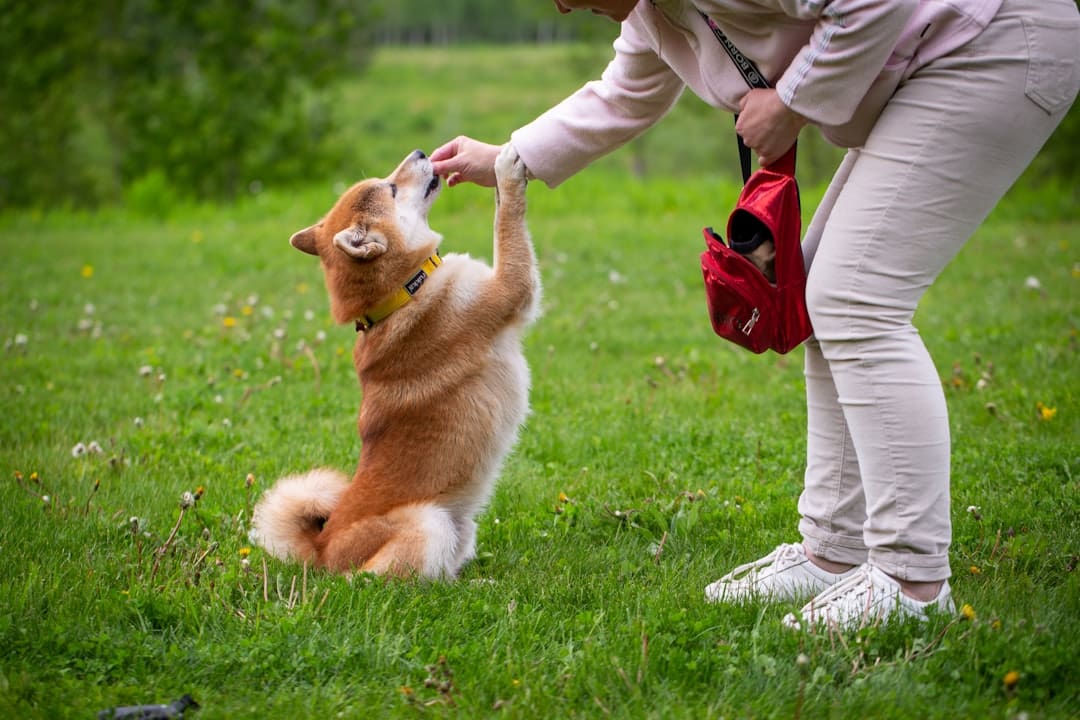
Some of the most important training moments involve unexpected touch. Ask helpers to extend their hands quickly toward your dog from different angles while you reward calm responses. Practice hands coming from above, from the side, and from below the dog's chin. Your dog should be able to accept these approaches without pulling back or showing teeth.
This is not about forcing your dog to accept rough handling. It is about building confidence so that a child's enthusiastic grab does not create a frightening moment for anyone involved.

A Systematic Desensitization Protocol That Works
Systematic desensitization follows a clear structure. The method works because it never pushes a dog past their comfort threshold. Progress happens in small, manageable steps.
The protocol follows three phases for every new challenge.
Phase One: Introduction at Distance. Introduce the stimulus far away or at low intensity. The dog should notice it but show no stress response. Reward heavily. End the session on success.
Phase Two: Gradual Approach. Over multiple sessions, bring the stimulus closer or increase the intensity slowly. Keep rewarding. If the dog shows stress at any point, move back to the previous distance or intensity and stay there until the dog is relaxed again.
Phase Three: Functional Exposure. The dog practices their actual therapy dog behaviors (sitting for petting, walking calmly, resting beside a chair) while the stimulus is present at realistic levels. This is the goal: a dog who can do their job in the presence of the stimulus, not just tolerate it.
Program coordinators should build these phases into their team's preparation calendar. Do not rush toward certification visits. A well-prepared team will give better visits for longer.
Reading Your Dog During Training
Your dog cannot tell you they are stressed in words. You have to learn their language. Knowing what to look for during desensitization sessions protects your dog and protects the people you will be visiting.
Early Signs of Stress
Watch for these signals during any training session. They mean your dog has reached their limit for that session.
- Yawning when not tired
- Lip licking without food present
- Looking away or turning the head
- Blinking more than usual
- Ears pulled back slightly
- Weight shifting toward the back legs
If you see any of these, the session is over. Give your dog a break, do something easy and fun, and come back to that stimulus another day at a lower intensity. There is no such thing as pushing through stress in desensitization work. It only sets you back.
Signs Your Dog Is Thriving
A dog who is genuinely comfortable shows soft eyes, a loose body, a natural tail position for their breed, and interest in their handler without looking frantically for an exit. They may show curiosity about a new stimulus but recover quickly and look to you for guidance. That recovery is what you are building.
The Handler's Role in the Whole Process
Handlers are not just holding the leash. In desensitization training, the handler's energy, consistency, and timing shape everything. Dogs read their handlers constantly, and a nervous handler produces a nervous dog.
Practice keeping your own body relaxed during training sessions. Breathe normally. Keep a loose grip on the leash. Use a quiet, even voice when you reward. Your dog is watching you for information about whether a situation is safe.
Handlers also need to be honest about their own readiness. If you feel uncomfortable in a hospital setting or feel uncertain around children with disabilities, those feelings will come through. Volunteer commitment means preparing yourself just as seriously as you prepare your dog.
TheraPetic® offers resources for handlers at every stage of this journey. As a 501(c)(3) nonprofit healthcare provider group, our mission is to support therapy dog teams who want to serve their communities well and with confidence. We believe the volunteer time you give is worth protecting with the right preparation.
How to Know Your Team Is Ready
Readiness for hospital or school visits is not about perfection. It is about consistency. Your team is ready when your dog can demonstrate calm, relaxed behavior across all of the following conditions without the help of treats in hand.
- Loud, sudden sounds at close range
- Wheeled equipment moving past them in all directions
- Children approaching quickly and reaching out
- PA announcements in enclosed spaces
- Strangers touching them on the head, back, ears, and paws
- Extended waiting in busy, noisy spaces
Program coordinators should use a structured evaluation that tests these conditions before clearing any team for facility visits. Your evaluation should be a real-world simulation, not just a quiet obedience test.
If you are building a new therapy dog program or want to strengthen your team's training foundation, explore the therapy dog requirements and training guidelines on our site. Every strong program starts with clear standards.
Desensitization training is also a commitment that continues after certification. Experienced handlers run brief refresher sessions before visiting new environments. The dog who handled a pediatric ward beautifully last year may still benefit from a gentle review before entering a loud gymnasium for the first time.
Your community needs therapy dog teams who can show up calmly, stay present, and bring real comfort. That kind of reliability is built in training, one session at a time. The effort you put in behind the scenes is exactly what makes every visit matter.
Ready to take the next step for your team? Visit go.mypsd.org or call us at (800) 851-4390. Our team is here to help you serve with confidence.
External resource: For guidelines on therapy animal programs in healthcare settings, the CDC infection control guidance on animals in healthcare facilities provides current federal recommendations that every hospital therapy dog program should review.
Written By
Ryan Gaughan, BA, CSDT #6202 — Executive Director
TheraPetic® Healthcare Provider Group • About • LinkedIn • ryanjgaughan.com
Clinically Reviewed By
Dr. Patrick Fisher, PhD, NCC, BC-TMH, C-AAIS — Founder & Clinical Director • The Service Animal Expert™
Editorial Review
This article was reviewed by Dr. Patrick Fisher, PhD, NCC, BC-TMH, C-AAIS on July 2, 2026 for accuracy, currency, and clarity. Content is updated when laws or guidance change.